I don’t speak the language" used to stop me from traveling — here’s how apps changed that for good
Have you ever stood at a train station in a foreign country, staring at signs you couldn’t read, heart racing as people rushed past? I have. And I let fear — and language — hold me back for too long. But now, with just my phone and a few smart tools, I order food confidently, ask for directions, and even chat with locals. This isn’t about becoming fluent overnight. It’s about feeling free, safe, and connected — no matter where you are. The truth is, you don’t need to master a language to belong somewhere. You just need the right help in your pocket.
The Travel Fear That Held Me Back (And Probably You Too)
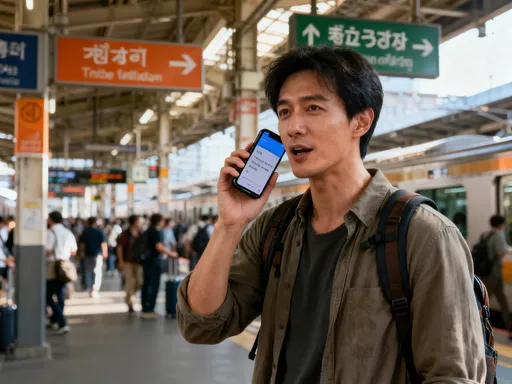
I still remember the first time I got lost in Kyoto. I had planned the trip for months — researched temples, booked a quiet guesthouse, packed my favorite scarf. But the moment I stepped off the train, my confidence melted. The signs were a blur of symbols. Announcements echoed in a language I couldn’t understand. I stood frozen on the platform, gripping my suitcase, while families and commuters moved around me like water flowing past a rock. I wanted to ask for help, but the words wouldn’t come. My throat tightened. I ended up following a group of tourists, hoping they were going the same way. I wasn’t just lost — I felt invisible.
That moment stayed with me. For years after, I avoided places where I didn’t speak the language. Italy? Yes. France? Absolutely. But Japan, Morocco, Vietnam? I told myself I’d go “someday” — when I had more time, when I’d taken classes, when I was “ready.” But deep down, I knew the truth: I was afraid. Afraid of looking silly. Afraid of being misunderstood. Afraid of missing a train, missing a meal, missing a moment because I couldn’t say the right thing.
If you’ve ever felt this way, you’re not alone. So many women I’ve talked to — moms, grandmothers, busy professionals — share the same hesitation. They dream of exploring new countries, tasting new foods, meeting new people. But the idea of navigating a foreign language feels like climbing a mountain in flip-flops. And here’s the thing: no one talks about how heavy that fear can feel. It’s not just about words. It’s about dignity. About feeling capable. About not needing someone else to speak for you.
But what if I told you that mountain isn’t as high as it looks? That you don’t need to study for years or memorize hundreds of verbs? What if the help you need is already in your hand — your phone — and a few simple apps can do the heavy lifting? I know it sounds too good to be true. I thought the same. But then I tried something small. And it changed everything.
Meet the Tools That Act Like Your Traveling Language Buddy
The first time I used Google Translate to order coffee in Lisbon, I held my breath. I tapped the microphone, said, “Can I have a small coffee, please?” The app spoke in clear Portuguese. The barista smiled, nodded, and handed me a tiny cup with perfect foam. It wasn’t magic — but it felt like it. In that moment, I realized I wasn’t just using an app. I was using a partner. A quiet, patient friend who traveled with me and whispered the words I couldn’t say.
That’s how I think of today’s language tools — not as cold technology, but as companions. Apps like Google Translate, Duolingo, and Drops aren’t designed for exams or fluency tests. They’re made for real life. For the moment you’re standing in a pharmacy, trying to explain a headache. For the time you’re at a market, pointing at fruit you’ve never seen before. They’re there to help you survive — and then, slowly, to help you thrive.
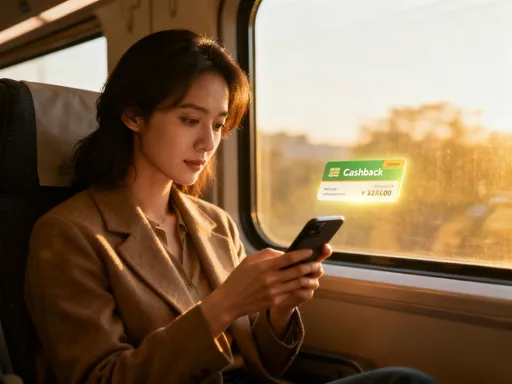
Let’s talk about what these apps actually do — in plain terms. Google Translate can listen to what you say and speak it in another language instantly. You can also type, or even point your camera at a menu or sign, and it will translate the words right before your eyes. It works offline, too, which is a lifesaver when you’re on a train or in a remote village. I’ve used it to read train schedules in Germany, decode medicine labels in Thailand, and even translate a birthday card from a local friend in Mexico.
Duolingo is different. It’s not for real-time talking, but for building confidence before you go. It’s like a friendly game — colorful, simple, and addictive. You learn by matching pictures to words, repeating phrases, and hearing native speakers. I started with just five minutes a day, learning basics like “hello,” “thank you,” and “Where is the bathroom?” It didn’t make me fluent, but it made me brave. And bravery matters more than perfection when you’re traveling.
Then there’s Drops — a beautiful app that teaches vocabulary through images and short bursts of learning. You get 5 minutes a day, no more. It’s perfect for busy lives. I used it to learn food words before a trip to Turkey. By the time I arrived, I could point to “ayran” on the menu and say it with confidence. The waiter’s smile? Priceless.
These tools don’t replace human connection. But they open the door to it. They give you a voice when you feel silent. And for someone like me — a mom who doesn’t have hours to study, a woman who wants to feel capable on her own — that makes all the difference.
Step 1: Learn Just Enough Before You Go (The 10-Minute Rule)
You don’t need to learn a language to travel. You just need to learn enough. That’s my rule — and it’s changed how I pack for trips. Instead of cramming phrasebooks, I spend 10 minutes a day for a week before I leave. That’s it. Ten minutes. While my tea steeps. While I wait for the laundry. While my daughter does her homework. Small moments, big results.
I start with the essentials: greetings, polite words, and survival phrases. “Hello.” “Thank you.” “I would like…” “Where is…?” “I’m sorry, I don’t speak your language.” I practice them out loud — in the shower, in the car, whispering to myself in line at the grocery store. I save them in my phone’s notes, and I download the offline pack in Google Translate. That way, even if I lose signal, I’m not lost.
Here’s a trick I love: I record myself saying the phrases and play them back. My first attempts sound funny — I mispronounce “gracias” like a robot. But by day three, it’s smoother. By day five, I can say “Excuse me, where is the train station?” without stumbling. And when I finally use it in real life? The relief is instant. The local person might smile, correct me gently, or even say, “Your accent is lovely.” That’s not about being perfect. It’s about showing respect.
I remember using “Dois bilhetes, por favor” in Portugal — two tickets, please. I said it slowly, holding my phone ready. The ticket agent looked up, surprised, then grinned. “Muito bem!” she said. Very good. That one exchange made my whole day. Because it wasn’t just about the ticket. It was about being seen. About trying. And that tiny effort? It built a bridge.
The 10-minute rule works because it’s doable. You don’t need motivation. You need a habit. And once you see how those small phrases open doors, you’ll want to do more. But even if you stop at ten minutes, you’ve already done enough to feel safer, more confident, more in control.
Step 2: Use Real-Time Translation Without Looking Like a Tourist
Let’s be honest — the idea of pulling out your phone and holding it up during a conversation can feel awkward. You don’t want to look like “that tourist” — the one staring at a screen instead of connecting with people. I felt that too. But here’s what I’ve learned: when you use translation tools with respect, people don’t mind. In fact, they often appreciate it.
The key is to use the tech quietly and naturally. For example, when I order food, I don’t just hand over my phone. I smile, say “Hello,” and use a polite phrase I’ve learned — like “Por favor” or “Arigatou.” Then, I tap the microphone and speak clearly: “I would like the grilled fish with vegetables, please.” The app translates it. I show the screen. The server reads it, nods, and responds. I listen, and if I don’t understand, I use the app to translate their answer.
It sounds clunky when I describe it. But in real life, it flows. Especially now that translation is faster and more natural. Google Translate even has a conversation mode — you speak, it translates, the other person speaks, it translates back. It’s like a tiny interpreter living in your pocket.
I remember using it in a small bakery in Paris. I wanted to ask if they had gluten-free options. I whispered into my phone, “Do you have any gluten-free bread?” The app spoke in French. The baker listened, then answered slowly. I held the phone toward her, and it translated: “We have a small loaf, baked fresh today.” I smiled, said “Merci,” and she handed me a warm bag. We didn’t have a deep conversation — but we connected. And that’s what matters.
To make this smoother, I keep my phone charged, use headphones so I can hear clearly, and always ask permission: “Is it okay if I use my phone to help with language?” Most people say yes — and some even lean in, curious. I’ve had strangers laugh with me over mispronunciations, or help me find the right word. Those moments? They’re travel gold.
The goal isn’t to replace speaking. It’s to start speaking — even if the phone helps. And over time, you’ll rely on it less. But for now, let it be your safety net. Your confidence booster. Your way to say what you need to say, without fear.
Step 3: Turn Daily Moments into Mini Language Lessons
One of my favorite travel memories isn’t from a famous landmark. It’s from a tiny grocery store in Oaxaca. I was looking for cinnamon — but the label said “canela.” A woman behind me said the word, pointing at the spice. I repeated it. She smiled. I opened my phone and typed it into Duolingo’s notebook feature. That small exchange became a lesson — and a memory.
That’s how I’ve learned to travel differently now. Instead of seeing language as a barrier, I see every moment as a chance to learn. Heard a word on the bus? I pause and look it up. Saw a sign with an interesting word? I snap a photo and translate it later. These aren’t long study sessions. They’re tiny sparks of curiosity — and they add up.
Apps like Anki and Memrise use something called spaced repetition — which means they show you words at just the right time to help you remember. I add words I encounter: “station,” “ticket,” “delicious,” “left,” “right.” The app reminds me to review them. After a few days, I start recognizing them. After a week, I can say them.
I remember hearing “grazie” over and over in Italy. At first, it was just sound. Then I learned it meant “thank you.” Then I started saying it — to waiters, shopkeepers, the woman who held the door. Each time, I felt a little more part of the place. Not a visitor passing through, but someone trying to belong.
Children are great teachers, too. I once sat in a park in Barcelona, and a little girl was feeding pigeons. I said “Hola.” She giggled and said, “Pájaros!” I repeated it. She clapped. Her mother joined in, teaching me “pájaro” means bird. We spent ten minutes laughing, pointing, and learning. No grammar. No test. Just joy.
This is how language sticks — not through drills, but through moments. Real, human, warm moments. And every time you learn a word this way, it carries a memory. That’s not just vocabulary. That’s connection. That’s what makes travel meaningful.
Why This Isn’t Just About Words — It’s About Belonging
I’ll never forget the elderly shopkeeper in Kyoto — the same city where I once felt so lost. This time, I walked into her tiny tea shop, bowed slightly, and said “Konnichiwa.” She looked up, surprised. I pointed to a box and asked, using my phone, “How much is this?” She told me. I said “Arigatou gozaimasu” — thank you very much — the phrase I’d practiced a hundred times.
She paused. Then she said, softly, “You are trying. Thank you.” She didn’t say it in English. She said it in Japanese — slowly, so I could understand. My eyes filled with tears. Because in that moment, I wasn’t a tourist. I wasn’t invisible. I was a person who had made an effort — and it had been seen.
That’s the magic of trying. It doesn’t matter if your accent is perfect. It doesn’t matter if you only know five words. What matters is that you tried. And people feel that. They respond with kindness, with patience, with open hearts. I’ve had strangers walk me to the right bus stop, offer me a seat, even invite me for tea — just because I said “hello” in their language.
Language isn’t just about communication. It’s about respect. It’s about saying, “I see you. I value your world.” And when you do that, doors open. Smiles appear. Connections form. You don’t need to speak perfectly to be welcomed. You just need to show up — and try.
For women like us — who juggle so much, who often put ourselves last — this is powerful. It’s not just about travel. It’s about confidence. About knowing we can handle the unknown. About proving to ourselves that we are capable, curious, and brave.
Start Small, Go Far — Your Next Trip Can Be Different
You don’t need to be fluent. You don’t need to be fearless. You just need to begin. Pick one app. Spend ten minutes. Learn five phrases. That’s all it takes to change how you travel — and how you feel while you’re there.
Imagine your next trip. You step off the plane. The signs are still in another language. But this time, your heart isn’t racing. You open your phone. You hear the words. You say them. You connect. You laugh. You belong.
The world is not as far away as it seems. The language wall? It’s thinner than you think. With a little help from your phone, you can walk right through it. And on the other side? Freedom. Joy. Connection. All waiting for you — one “hello” at a time.