We’re not talking enough about this: How online support groups quietly saved my family
Life sometimes feels like walking a tightrope—juggling work, kids, aging parents, and your own well-being. You smile through the day, but at night, the weight settles in. I’ve been there. Then I discovered something simple but powerful: online support groups. Not flashy, not loud, but full of real people who get it. This isn’t about fixing everything overnight. It’s about finally feeling heard, understood, and just a little less alone—right from your living room. No travel, no appointments, no awkward small talk. Just connection, whenever you need it. And honestly? It changed everything.
I didn’t even know I needed this – The moment everything changed
It wasn’t a crisis. There was no hospital visit, no dramatic fight, no breaking point you could point to on a calendar. It was quieter than that. I remember standing at the kitchen sink one evening, washing the same plate twice because my mind had wandered—again. My son was asking me a question about his science project, my phone was buzzing with a reminder for my mom’s doctor appointment, and all I could think was, I can’t do one more thing. I wasn’t crying. I wasn’t yelling. I was just… gone. Present in body, absent in spirit. That’s when my friend Sarah texted me: “Have you ever tried one of those online support groups for moms?”
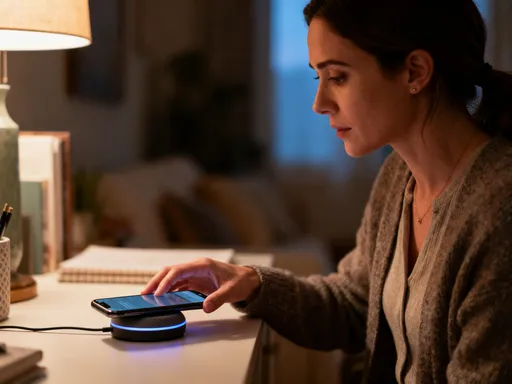
I almost laughed. Me? Join a group of strangers online to talk about my feelings? I wasn’t “that kind” of person. I prided myself on being the one who held it together—the reliable one, the problem-solver. But that night, something shifted. Maybe it was exhaustion. Maybe it was the way my son looked at me when I didn’t answer his question—just a small pause, but it carried disappointment. I opened my laptop after everyone was asleep and typed into the search bar: “support group for overwhelmed moms.” Within minutes, I found a forum with thousands of members. The first post I read said, “I love my kids more than anything, but I feel like I’m disappearing.” I stared at the screen, my breath catching. That was exactly how I felt. And someone else had said it out loud. I didn’t reply that night. I just read. Page after page of stories that mirrored mine. And for the first time in months, I didn’t feel broken. I felt seen.
No more “just toughen up” – Why families need emotional safety nets
We’ve all heard it: “Just push through.” “Other people have it worse.” “You’re strong—you’ve got this.” And yes, we do. We get through the days, the weeks, the years. But strength isn’t the same as sustainability. The truth is, modern family life asks a lot of us—often more than we’re built to carry alone. We’re expected to be present parents, attentive partners, responsible caregivers, and productive professionals—all while keeping the laundry done and the fridge stocked. And unlike generations before us, we don’t have the same built-in support. Grandparents live across the country. Neighbors wave but don’t drop by. Friendships fade under the weight of busy schedules. The village, as they say, has scattered.
That’s where emotional isolation creeps in. It’s not always loneliness in the classic sense. It’s the feeling that no one truly understands your specific kind of tired. That your struggles aren’t “big enough” to talk about. That you should be able to handle it all without help. But here’s what I’ve learned: emotional fatigue isn’t a personal failure. It’s a sign that the system is overloaded. And just like your phone needs to recharge, so do you. Online support groups don’t fix your schedule or lighten your to-do list, but they do something just as important—they remind you that you’re not failing. You’re human. And you’re not alone. These groups don’t replace real-life relationships. In fact, they often make them better. When you feel heard and supported, you show up differently at home. You’re less reactive, more patient, more present. You stop carrying the whole emotional weight by yourself, and that lightness? It spreads.
It’s not therapy, but it helps – Understanding what online support groups really are
Let’s clear something up: joining an online support group isn’t the same as going to therapy. I’m not suggesting it replaces professional mental health care. If you’re in crisis or dealing with clinical depression or anxiety, please reach out to a licensed therapist. What I’m talking about is something different—peer support. It’s a space where people who’ve walked similar paths come together to share, listen, and say, “Me too.” It’s not about diagnoses or treatment plans. It’s about connection. It’s about knowing that when you say, “I feel like I’m failing as a parent,” someone will respond with compassion, not judgment.
And this isn’t just another social media feed full of curated highlight reels. Good online support groups are usually private, often moderated, and built around shared experiences. Think of it like a small circle in a quiet room, not a crowded party. Members agree to basic rules: no shaming, no unsolicited advice, no spam. The focus is on listening and validating. I remember posting my first message—just a few sentences about feeling guilty for wanting time alone. I didn’t expect a response. But within hours, I had six replies. One woman wrote, “Guilt is the tax we pay for caring so much. You’re not selfish. You’re loving deeply.” Another said, “I took a 20-minute walk yesterday and told my kids I was ‘recharging my mom battery.’ They thought it was hilarious. I felt like a human again.” That’s the magic of these spaces. It’s not about fixing. It’s about belonging.
Finding your people – How to choose the right group in 10 minutes
So how do you find a group that feels right? It’s easier than you think—and you don’t need to be tech-savvy. Start by asking yourself one simple question: What’s the biggest emotional weight I’m carrying right now? Is it parenting stress? Caring for an aging parent? Feeling disconnected from your partner? Once you name it, you can search for it. Use clear, honest phrases like “support group for working moms,” “caregivers of elderly parents,” or “women managing stress.” Avoid vague terms like “feel better” or “happy life”—those often lead to generic forums or sales pages.
Next, look at the group’s rules and tone. A good sign? They post clear guidelines about respect, confidentiality, and no advice-pushing. Scroll through a few recent threads. Do people respond with empathy? Are the comments kind, not competitive? Watch out for groups that feel overly promotional, push products, or shame members for not “thinking positive” enough. Trust your gut. If a group feels off, keep looking. And don’t feel pressured to jump in right away. Lurking—reading without posting—is completely okay. It’s like visiting a new coffee shop before deciding to come back. Give yourself space to observe.
Privacy matters, too. Make sure the group is private or closed, not public. You don’t want your personal stories showing up in a Google search. And consider starting with a well-known platform—like a nonprofit organization’s official forum or a recommendation from a trusted source. The goal isn’t to join ten groups. It’s to find one where you feel safe, seen, and supported. That’s worth more than any number of likes or followers.
Making it a habit – Fitting support into a packed family life
I know what you’re thinking: “I can’t even find time to pee alone. How am I supposed to join a support group?” Believe me, I’ve been there. The idea of adding one more thing to my day used to make me want to cry. But here’s the secret: you don’t need hours. You don’t even need minutes. You need moments. Think of it like emotional hydration—small sips throughout the day keep you from getting dehydrated.
Start small. Maybe it’s reading one post while you drink your morning coffee. Or listening to a voice message from a group member during your commute. Some days, that’s all I do. And it’s enough. On better days, I might write a short reply or share a quick update. The key is consistency, not quantity. I’ve trained myself to treat this time like brushing my teeth—non-negotiable, even when I don’t feel like it. I also pair it with habits I already have. After I put the kids to bed, I spend ten minutes in the group instead of scrolling mindlessly through social media. Or I journal for five minutes after reading something that resonates. Sometimes, I even talk about what I’ve learned with my partner—just a simple, “Hey, someone in my group today said something that really hit home.” Those tiny connections add up.
And here’s the beautiful part: the more I show up for myself, the more energy I have for everyone else. It’s not selfish. It’s sustainable. You wouldn’t expect a car to run without fuel. Why expect yourself to run on empty?
From me to we – How one person’s support lifts the whole family
Change doesn’t always come with fanfare. Sometimes, it’s quieter than that. It’s in the way I paused last week when my daughter spilled her juice, instead of snapping, “Why can’t you be more careful?” I took a breath and said, “It’s okay. Let’s clean it up together.” She looked surprised, then smiled. We wiped the floor side by side, and she told me about her day—something she usually shuts down about. That moment didn’t happen because I read a parenting book. It happened because the night before, someone in my group had shared how they started using “reset breaths” when they felt overwhelmed. I tried it. It worked.
This is the ripple effect of support. When one person in a family starts feeling more grounded, calmer, more seen, it changes the atmosphere. It’s like turning down the volume on a loud, chaotic room. The kids notice. Your partner notices. Even you notice. I’ve started laughing more—at real moments, not just polite ones. I hug more. I listen better. And my family has started to mirror that. Dinners are quieter, but more connected. We’re not perfect. We still have messy days. But now, instead of everyone tiptoeing around tension, we’re learning to name it. “Mom, you seem stressed,” my son said the other day. “Do you need a quiet minute?” My heart nearly burst. That kind of emotional awareness doesn’t come from lectures. It comes from living in a home where it’s okay to not be okay.
This is self-care that actually works – Why showing up for yourself is showing up for them
We’ve been sold a version of self-care that looks like spa days and scented candles. And hey, if you love those things, amazing. But for most of us, that’s not realistic. Real self-care is quieter. It’s asking for help. It’s admitting you’re tired. It’s typing a message into a support group at 11 p.m. when the house is finally quiet. It’s choosing to fill your own cup, not because you’re vain, but because you know your family needs you to be full in order to give.
Joining an online support group didn’t solve all my problems. The laundry still piles up. My mom still needs appointments. My kids still argue over Legos. But I’m different. I’m softer. More patient. More present. And that makes all the difference. Because love isn’t just about doing things for your family. It’s about being there—emotionally, mentally, fully. And you can’t give what you don’t have.
So if you’ve been carrying the weight in silence, wondering if anyone else feels this way—know that you’re not alone. There’s a group out there with your name on it. Women who get the school-run exhaustion, the guilt of wanting time to yourself, the ache of loving so hard it hurts. They’re not trying to fix you. They’re just saying, “We’re here. We see you. You’re not broken.” And sometimes, that’s the most powerful medicine of all.
You don’t have to carry it all. Someone’s already waiting to listen.