It’s Not Just Tracking: How Mood Apps Helped Me Understand Myself Better
Have you ever felt overwhelmed but couldn’t pinpoint why? I was there too—until I tried mood tracking apps. At first, they felt confusing and tedious. But over time, they became a quiet companion in my daily life, helping me spot patterns, manage stress, and respond to my emotions with more care. This isn’t about fixing myself—it’s about understanding who I am, one small insight at a time. It’s not magic, and it doesn’t promise overnight change. But for someone like me—juggling family, work, and the quiet weight of daily responsibilities—it offered something rare: a moment to pause, reflect, and truly listen to myself.
The Moment I Realized I Was Running on Empty
There was a Tuesday morning when everything came to a quiet halt. My daughter was asking me about her school project, my phone was buzzing with work messages, and I was standing in the kitchen, staring at the coffee maker, unable to move. Not because I was tired—though I was—but because I felt completely disconnected from myself. I couldn’t tell if I was sad, angry, or just numb. I smiled at my daughter, answered her questions on autopilot, and got through the day, but something inside me whispered: This isn’t sustainable.
I wasn’t facing a crisis. My life, on paper, looked balanced—loving family, a stable job, a roof over our heads. But emotionally, I was running on fumes. I’d snap at small things, feel drained after simple tasks, and struggle to enjoy moments I used to cherish. I’d tell myself I just needed more sleep or a break, but even weekends didn’t help. The fog lingered. I started wondering: Is this just how adulthood feels? Is this what it means to be a mom, a partner, a working woman?
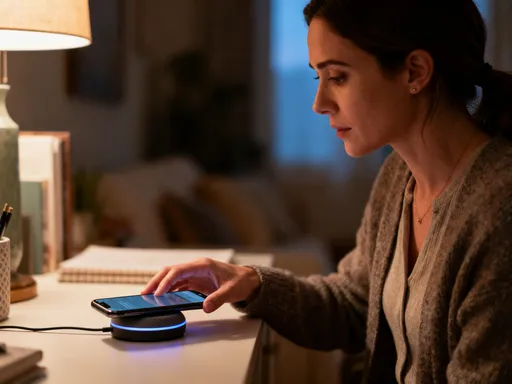
Then, during a quiet coffee catch-up, my friend Sarah mentioned she’d been using a mood tracking app for a few months. She didn’t describe it as a solution, but as a tool—something that helped her notice how her energy shifted throughout the week. I remember rolling my eyes a little. Mood tracking? Like, tapping a smiley face every day? It sounded silly, almost childish. But that night, lying awake again, I thought: What if it helps me understand this fog? What if it gives me one clue? Desperation, more than curiosity, led me to download one that same evening. I didn’t expect it to change anything. I just wanted to feel a little more like myself again.
First Impressions: Confusion, Frustration, and Almost Quitting
The first week was rough. I opened the app every night before bed, stared at the screen, and felt completely lost. The mood options were either too vague—"restless," "foggy," "hopeful"—or too clinical—"moderate anxiety," "low mood." I wasn’t sure what any of them meant for me. Was I “irritable” because I argued with my husband about laundry, or was that just normal married life? Was “content” the same as “happy,” or was it just the absence of sadness?
Some apps asked me to rate my energy, focus, sleep, and social interactions—all at once. It felt like homework. Others gave me no feedback at all. I’d tap “anxious” three days in a row and get… nothing. No explanation, no suggestion, no insight. Just a blank chart slowly filling up with dots. I began to wonder if I was doing it wrong. Maybe I wasn’t emotional enough to benefit from this. Maybe I was too busy. Or maybe the whole thing was just a gimmick for people with more time than problems.
There were nights I forgot entirely. Then guilt would creep in. Great, now I’m failing at tracking my feelings too. I’d open the app the next day and see a gap in my data. Some apps even sent cheerful reminders: “Don’t forget to check in with yourself!” which only made me feel worse. I almost deleted it more than once. The biggest hurdle wasn’t the app—it was my own skepticism. I kept asking: Can a little phone app really help me feel better? I didn’t have an answer. But I also didn’t have anything else that was working. So I kept going, mostly out of stubbornness.
Small Shifts: Noticing Patterns in the Chaos
About three weeks in, something shifted. I wasn’t expecting it. I was scrolling through my weekly summary—something I’d almost skipped—and I noticed a pattern. On days when I skipped breakfast, my afternoon mood ratings were consistently lower. Not dramatically so, but enough to catch my eye. I’d feel more impatient, less focused, and more likely to feel overwhelmed by small things. The next week, I made a point to eat something—even just toast—and sure enough, those midday crashes were less intense.
Then I noticed another thing: my mood scores were higher on days when I got outside, even for just ten minutes. Not a long walk, not a hike—just stepping into the backyard with my coffee, or walking to the mailbox without my phone. And on weekends when I managed a proper walk, I felt calmer in the evenings. My kids noticed too. “You seem more relaxed today,” my daughter said one Sunday. I hadn’t done anything special—just moved my body and seen some sky.
These weren’t earth-shattering discoveries. But they were mine. The app didn’t tell me what to do, but it showed me what was already happening. It was like having a gentle witness to my life, quietly pointing out connections I’d been too busy or too numb to see. I started to look forward to logging my mood, not as a chore, but as a moment of reflection. It wasn’t about being perfect—it was about paying attention. And slowly, that attention began to change how I moved through my days.
Learning to Speak My Own Emotional Language
One of the most surprising benefits of mood tracking wasn’t the data—it was the way it helped me find words for how I felt. Before, if someone asked, “How are you?” I’d say, “Fine,” even when I wasn’t. It wasn’t dishonest—it was just easier. But over time, the app’s mood labels started to seep into my real life. I began to notice subtler shifts: not just “sad” or “happy,” but “overwhelmed,” “distracted,” “peaceful,” “resentful.”
One evening, my husband asked how my day was. Instead of saying “fine,” I said, “I feel a little scattered—like my thoughts are all over the place.” He didn’t fix it. He didn’t offer advice. He just said, “That sounds hard. Want to sit outside for a few minutes?” And that small moment of being seen—of feeling understood without having to explain everything—meant more than I expected.
I started using this new emotional vocabulary with my kids too. When my son said he didn’t want to go to school, instead of jumping to solutions, I asked, “Are you feeling nervous? Or just tired?” He thought for a moment and said, “Nervous. My stomach feels twisty.” That gave us something to work with. We talked about what was making him nervous, and he picked a small action—drawing a calming picture before leaving. The app didn’t teach me parenting, but it taught me to pause, listen, and respond with more empathy—both for others and for myself.
When Tech Meets Real Life: Adjusting Habits with Real Insight
With a few patterns in hand, I started making small, intentional changes. I didn’t overhaul my life—I just tweaked a few things. I began scheduling ten minutes of morning light, either by having coffee near the window or stepping outside. I noticed that on days I did this, my energy felt more stable by mid-morning. I also adjusted when I drank caffeine. I used to have a second cup in the afternoon, but the app showed a spike in anxiety on those days. So I switched to herbal tea after 2 p.m. It wasn’t a big deal, but over time, my sleep improved.
I also started using the data to set boundaries at work. When I saw that back-to-back meetings left me drained and irritable, I began blocking off 15-minute breaks between calls. I told my team I was trying to protect my focus. To my surprise, no one objected—some even asked how they could do the same. I realized I wasn’t the only one struggling. We’re all trying to do more with less, and sometimes, the smallest changes can make the biggest difference.
The app didn’t give me a step-by-step plan. It didn’t tell me to meditate or journal or go to therapy—though those things might help too. What it did was give me evidence. It showed me that my feelings weren’t random. They were connected to real, tangible things: sleep, light, food, movement, connection. And once I saw those links, I could work with them, not against them. It wasn’t about perfection—it was about making choices that supported my well-being, one day at a time.
It’s Not About Perfection—It’s About Awareness
I’ll be honest: I don’t log every day. Some weeks, I forget for days at a time. Life gets busy. Kids get sick. Work gets overwhelming. There are evenings when I’m too tired to open the app, and mornings when I don’t even remember I use it. But here’s the thing: even when I’m not logging, the practice stays with me.
I catch myself pausing more often. While folding laundry, I’ll ask myself, How do I really feel right now? While driving, I’ll notice tension in my shoulders and take a deep breath. These small moments of self-check-in have become second nature. The app didn’t just teach me about my moods—it taught me to slow down, to listen, and to respond with kindness instead of criticism.
I’ve also learned to let go of guilt. Missing a log isn’t failure. It’s part of being human. The goal isn’t to track perfectly—it’s to stay connected. And even on the days I don’t open the app, I carry that awareness with me. It’s like learning to ride a bike: at first, you need training wheels and constant focus. But eventually, you just know how to balance. The app was my training wheel. Now, I can ride on my own.
Why This Matters: Technology That Supports, Not Fixes, You
In a world that celebrates busyness, productivity, and constant doing, taking time to check in with your emotions can feel radical. It’s not flashy. It won’t get you a promotion or clean the kitchen. But it might help you feel more present with your children, more patient with your partner, more grounded in your own skin.
Mood tracking didn’t fix my life. It didn’t erase stress or solve my problems. But it gave me something just as valuable: clarity. It helped me see myself more clearly—not as a to-do list, but as a person with needs, rhythms, and emotions that matter. And in that clarity, I found compassion. For myself. For my family. For the messy, beautiful reality of everyday life.
If you’ve ever felt emotionally out of sync—if you’ve wondered why you’re tired when you’ve slept, or irritable when nothing’s “wrong”—you’re not broken. You’re human. And sometimes, the gentlest tools—like a simple app that asks, How are you feeling today?—can offer the quiet support you didn’t know you needed. It’s not about becoming someone else. It’s about understanding who you already are, and giving that person the care she deserves.