How I Upgraded My Daily Routine to Prevent Illness—And Feel Better Than Ever
You don’t need drastic changes to boost your health. I learned this the hard way—after constant fatigue and frequent colds pushed me to rethink my habits. What I discovered wasn’t a miracle cure, but a series of simple, science-backed shifts that made a real difference. This is about prevention, not reaction—how small, consistent choices can quietly transform your energy, resilience, and overall quality of life.
The Wake-Up Call: When “Normal” Felt Anything But
For years, I told myself I was fine. I got through the day. I managed work, family, and household responsibilities. But “getting through” wasn’t living. I was tired all the time—waking up groggy, dragging myself through the afternoon, relying on coffee just to stay alert. I caught every cold that went around, often needing a full week to recover. My sleep was restless, my digestion was off, and I had no real energy for the things I used to enjoy.
What finally changed was realizing that these weren’t just normal signs of aging or a busy life. They were signals. My body was sending me messages—low energy, weakened immunity, disrupted sleep—and I had been ignoring them. Research shows that persistent fatigue and frequent infections can be early indicators of chronic inflammation, hormonal imbalances, or immune system strain. These aren’t problems that appear overnight; they build over time due to lifestyle patterns we often overlook.
That’s when I decided to stop reacting to symptoms and start preventing them. Instead of waiting for a doctor’s visit or a serious diagnosis, I chose to take control. I didn’t need a dramatic overhaul—just a thoughtful, sustainable upgrade to my daily routine. The goal wasn’t perfection, but progress. And the first step was understanding that true health isn’t the absence of illness; it’s the presence of vitality.
Prevention Over Panic: Rethinking What Health Really Means
Most of us think about health only when something goes wrong. A sore throat becomes bronchitis. A nagging ache turns into a diagnosis. But by then, the body has already been under stress for some time. The real power lies in prevention—making daily choices that reduce the risk of illness before it starts. This shift in mindset—from treatment to maintenance—is one of the most impactful changes I made.
Chronic conditions like heart disease, type 2 diabetes, and certain autoimmune disorders often develop silently over years. They’re influenced by factors we can control: diet, movement, sleep, stress, and hydration. According to the Centers for Disease Control and Prevention, up to 80% of heart disease and stroke cases are preventable through lifestyle changes. That’s not a small number—it’s a powerful reminder that we have more influence over our health than we often believe.
Prevention doesn’t mean living in fear of illness. It means making small, consistent choices that support your body’s natural ability to heal, repair, and defend itself. It’s about building resilience. For example, choosing whole foods over processed ones doesn’t just help with weight management—it reduces inflammation, supports gut health, and stabilizes blood sugar, all of which lower long-term disease risk.
What I’ve learned is that health isn’t a destination; it’s a daily practice. It’s not about chasing quick fixes or extreme diets. It’s about showing up for yourself every day with simple, science-supported habits that add up over time. And the earlier you start, the greater the long-term benefit. You don’t have to wait for a wake-up call. You can choose prevention today.
The Morning Reset: How My First Hour Changed Everything
My mornings used to be chaotic—hitting snooze, rushing to get ready, skipping breakfast, and starting the day already behind. Now, I see the first hour as the foundation of my health. I’ve created a morning reset that sets the tone for the entire day: hydration, movement, and sunlight. These three simple practices have had a surprisingly profound impact on my energy, focus, and mood.
First, I drink a large glass of water as soon as I wake up. After hours of sleep, the body is naturally dehydrated. Rehydrating first thing supports digestion, kickstarts metabolism, and helps flush out toxins. Studies suggest that proper hydration can improve cognitive function and physical performance. I sometimes add a slice of lemon for flavor and a boost of vitamin C, but plain water works just as well. The key is consistency—making it the first thing I do, before coffee or checking my phone.
Next, I step outside for a few minutes of natural light. Sunlight exposure in the morning helps regulate the circadian rhythm, the body’s internal clock that controls sleep, hormone release, and energy levels. Even 10 minutes of daylight can signal to the brain that it’s time to be awake, reducing grogginess and improving alertness. This small habit has made a noticeable difference in how quickly I feel awake and ready to start the day.
Finally, I do 5 to 10 minutes of gentle movement. This isn’t intense exercise—just light stretching, deep breathing, or a short walk around the house. Movement first thing improves circulation, loosens stiff muscles, and enhances mental clarity. It also sets a positive tone for the day, reminding me that my body is capable and strong. Over time, this simple routine has become non-negotiable—a quiet, intentional start that supports both physical and emotional well-being.
Eating for Energy, Not Just Fullness
I used to eat for convenience. Breakfast was a sugary cereal or a pastry. Lunch was a sandwich from the deli or leftovers from last night’s takeout. Snacks were chips, cookies, or candy bars—quick fixes that left me hungry again an hour later. I wasn’t eating to nourish myself; I was eating to fill the gap. And my energy levels showed it—spikes and crashes, brain fog, irritability, and afternoon slumps.
The shift began when I started paying attention to how food made me feel. I noticed that meals high in refined carbs and added sugar gave me a quick burst of energy followed by a crash. In contrast, meals with balanced protein, fiber, and healthy fats kept me full longer and gave me steady energy. This wasn’t just about willpower—it was about understanding how food affects the body on a physiological level.
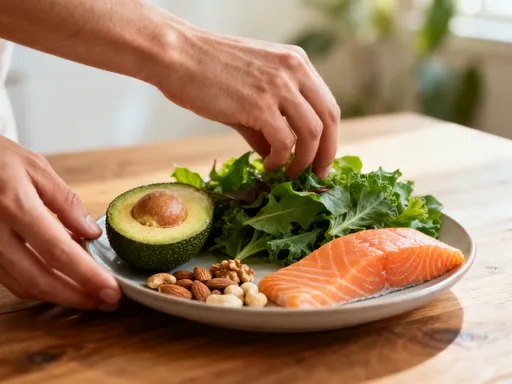
Blood sugar stability is crucial for both short-term energy and long-term health. When blood sugar spikes and drops rapidly, it can lead to insulin resistance over time, a key factor in type 2 diabetes and metabolic syndrome. It also affects mood, focus, and cravings. By choosing whole, unprocessed foods—like oats with nuts and fruit, vegetable stir-fries with lean protein, or salads with avocado and beans—I’ve been able to maintain more consistent energy throughout the day.
Simple swaps made a big difference. Instead of sugary cereal, I now eat steel-cut oats with almond butter and berries. Instead of chips, I snack on raw vegetables with hummus or a handful of almonds. These changes didn’t require expensive ingredients or complicated recipes—they just required a shift in priorities. I stopped asking, “What’s easiest?” and started asking, “What will make me feel good?” And the answer has consistently been real, whole food.
Moving More Without “Exercising”
I’ll admit it: I never liked traditional exercise. Gyms felt intimidating, structured workouts felt like a chore, and I often gave up after a few weeks. But I’ve learned that movement doesn’t have to mean running on a treadmill or lifting weights. The real key to long-term health is simply moving more throughout the day—what experts call non-exercise activity thermogenesis, or NEAT.
NEAT refers to all the physical activity we do outside of formal exercise—walking, standing, gardening, cleaning, climbing stairs. Research shows that people who engage in more NEAT have lower body fat, better insulin sensitivity, and reduced risk of chronic disease. The beauty of it is that it doesn’t require a gym membership or special equipment. It’s about weaving movement into your existing routine.
I started small. I began taking walking calls instead of sitting at my desk. I parked farther away from store entrances. I took the stairs instead of the elevator. I set a timer to stand up and stretch every hour. These tiny changes added up. Over time, I noticed improvements in my posture, digestion, and even my mood. Physical activity helps reduce inflammation, supports immune function, and releases endorphins—natural mood boosters.
One of the most impactful changes was reducing my sitting time. Sitting for long periods has been linked to increased risk of heart disease, diabetes, and premature death—even for people who exercise regularly. So I invested in a standing desk and made a habit of walking after meals. A 10-minute walk after dinner not only aids digestion but also helps regulate blood sugar. These small acts of movement have become a natural part of my day, not something I have to force or schedule.
Sleep: The Silent Game-Changer I Used to Ignore
For years, I treated sleep as optional. I stayed up late scrolling through my phone, watched TV in bed, and thought nothing of getting only five or six hours a night. I told myself I was “used to it.” But lack of quality sleep was taking a toll—on my immunity, my mood, and my ability to focus. I was more prone to colds, more irritable with my family, and less productive at work.
Sleep is when the body repairs itself. During deep sleep, cells regenerate, the immune system strengthens, and the brain clears out toxins. Chronic sleep deprivation has been linked to a higher risk of obesity, heart disease, depression, and weakened immune function. The National Sleep Foundation recommends 7 to 9 hours of sleep per night for adults, yet many of us fall short.
Improving my sleep didn’t happen overnight. I started by setting a consistent bedtime and wake time, even on weekends. I created a wind-down routine: turning off screens an hour before bed, reading a book, and dimming the lights. I also made my bedroom a sleep sanctuary—cool, dark, and quiet. Lowering the room temperature slightly has been shown to improve sleep quality, as the body’s core temperature naturally drops during sleep.
One of the most effective changes was eliminating screen time before bed. The blue light from phones, tablets, and TVs suppresses melatonin, the hormone that regulates sleep. By replacing late-night scrolling with reading or light stretching, I fell asleep faster and stayed asleep longer. I also stopped using my bed for anything other than sleep and intimacy—no working, no watching TV. This helped my brain associate the bed with rest, making it easier to relax at night. Over time, better sleep became one of the most powerful tools in my health routine.
Mindset and Consistency: The Real Secret Sauce
If I had to name one factor that made the biggest difference, it wasn’t any single habit—it was consistency. Not perfection, not intensity, but showing up day after day, even when I didn’t feel like it. And that required a shift in mindset. I stopped seeing health as a punishment or a chore and started seeing it as an act of self-care.
I began tracking small wins—drinking water first thing, taking a walk, eating a balanced meal. These tiny successes built momentum. Instead of focusing on what I was giving up, I focused on what I was gaining: more energy, fewer sick days, better sleep. I also learned to be kind to myself when I slipped up. Missing a morning stretch or eating dessert didn’t mean I had failed. It meant I was human. Self-compassion made it easier to get back on track without guilt or frustration.
Sustainability is more important than intensity. A 10-minute walk every day is more valuable than an hour-long workout once a week. A balanced breakfast most days is better than a perfect diet that’s impossible to maintain. I stopped chasing dramatic results and started appreciating gradual progress. And over time, feeling better became its own reward. I had more patience with my family, more focus at work, and more joy in everyday moments.
This journey wasn’t about achieving a certain look or fitting into a smaller size. It was about feeling strong, resilient, and capable. It was about giving myself the gift of time—more years, more energy, more presence. And it all started with small, intentional choices that added up to a healthier, happier life.
Preventing illness isn’t about extreme diets or rigid rules—it’s about making steady, doable choices that add up. By tuning into my body and committing to simple daily practices, I didn’t just avoid sickness; I gained energy, focus, and a deeper sense of well-being. This isn’t medical advice, but a personal journey showing how small steps can lead to big shifts in quality of life. Your health is worth the investment—one habit at a time.