Why Healthy Hair Starts from Within: A Real Talk on Lasting Care
We all want hair that shines, grows strong, and feels alive—but what if the secret isn’t in your shampoo? I used to chase quick fixes until I realized true hair health follows real body balance. From diet shifts to daily habits, I tested what actually works. This isn’t about trends; it’s about standards rooted in science and self-care. Let’s explore how lasting results come from smarter choices, not magic bottles.
The Truth About Hair Health: More Than Just Looks
Healthy hair is often mistaken for simply long, shiny strands that look good in photos. But real hair health goes far beneath appearance. It’s about structural integrity—how well each strand resists breakage, retains moisture, and grows consistently over time. A truly healthy hair shaft is smooth, elastic, and resilient, with minimal splitting or frizz. These qualities are not achieved by frequent styling or expensive serums alone; they reflect what’s happening beneath the surface.
The scalp and hair follicles play a critical role in this process. Each follicle goes through a natural growth cycle consisting of three phases: anagen (active growth), catagen (transition), and telogen (resting and shedding). A balanced cycle means most follicles are actively producing hair, with only a small percentage shedding at any given time. When this rhythm is disrupted—due to internal imbalances—hair may thin, shed excessively, or grow back slower than usual.
External damage from heat styling, chemical treatments, and environmental stressors can worsen these issues, but they often mask deeper problems rather than cause them outright. For example, frequent blow-drying may lead to dryness and split ends, but if your hair is already weakened due to nutritional gaps or hormonal shifts, it will be far more vulnerable to such damage. Recognizing that symptoms like brittleness, slow growth, or increased shedding are warning signs—not just cosmetic concerns—shifts the focus from surface repair to root cause solutions.
Moreover, many women in their 30s to 50s experience changes in hair texture and density due to natural life transitions such as perimenopause, post-pregnancy recovery, or chronic stress. These shifts aren’t failures of hygiene or beauty routines; they are biological signals. Addressing them effectively requires understanding that hair reflects overall health. When hair thrives, it’s usually because the body is functioning well. The reverse is also true: when hair struggles, it may be one of the first visible indicators of internal imbalance.
Why Your Scalp Is Your Foundation
If hair is the visible outcome, the scalp is the foundation. Think of it as living skin—rich in blood vessels, oil glands, and nerve endings—that directly supports hair growth. Just as a garden needs fertile soil, hair needs a clean, balanced scalp environment to grow strong and steady. When the scalp is compromised by dryness, excess oil, inflammation, or buildup, follicles can become clogged or irritated, leading to poor growth and even temporary hair loss.
Dryness often results in flakiness, tightness, and itching. While dandruff is a common term, not all flaking is caused by the same condition. Some experience mild dry skin, while others deal with seborrheic dermatitis, a more persistent form of scaling linked to yeast overgrowth and inflammation. On the other hand, oily scalps can create a greasy film that traps dirt and dead skin cells, potentially blocking follicles and increasing the risk of irritation. Both extremes—too dry or too oily—can disrupt the natural cycle of hair renewal.
Proper scalp care begins with gentle cleansing. Using a mild, pH-balanced shampoo helps maintain the scalp’s natural acid mantle, which protects against bacteria and moisture loss. Harsh sulfates, commonly found in foaming shampoos, can strip away essential oils and lead to rebound oil production or dryness. Over-washing, especially with hot water, can also damage the scalp barrier, making it more prone to sensitivity and irritation. For most people, washing every two to three days is sufficient, depending on hair type and lifestyle.
Exfoliation is another key step, but it should be done carefully. Scalp scrubs or brushes can help remove dead skin and product buildup, improving circulation and allowing treatments to penetrate better. However, aggressive scrubbing or using coarse particles can cause micro-tears, leading to inflammation. Instead, opt for enzymatic exfoliants or soft-bristle brushes used in gentle circular motions. Massaging the scalp during cleansing not only feels soothing but also stimulates blood flow, delivering oxygen and nutrients to the follicles—essential for sustained growth.
Nutrition: The Fuel Behind Stronger Strands
Hair is made mostly of a protein called keratin, so it’s no surprise that dietary protein is essential for growth. But protein is just one piece of the puzzle. A range of vitamins and minerals work together to support every phase of the hair cycle. Iron, for instance, helps red blood cells carry oxygen to the follicles. Low iron levels, especially in premenopausal women, are strongly linked to hair thinning and excessive shedding. Even mild deficiency can impair growth, making it one of the most common nutritional culprits behind hair concerns.
Zinc is another vital nutrient involved in cell reproduction and protein synthesis. It plays a role in regulating the oil glands around follicles and helps repair damaged tissue. Too little zinc can lead to brittle hair and scalp issues, while too much can actually cause hair loss—so balance is key. Biotin, often marketed as a hair growth supplement, supports keratin production, but most people get enough through diet. Deficiency is rare and typically only seen in specific medical conditions or prolonged antibiotic use.
Omega-3 fatty acids, found in fatty fish, flaxseeds, and walnuts, contribute to scalp health by reducing inflammation and supporting natural oil production. They help keep the scalp hydrated and less prone to dryness and flaking. Antioxidants like vitamin E and selenium protect hair follicles from oxidative stress caused by pollution, UV exposure, and internal metabolic processes. Without these protective compounds, hair can become dull, weak, and more susceptible to damage.
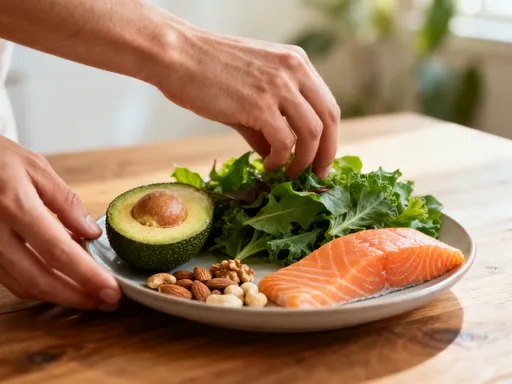
The best way to get these nutrients is through whole foods. Eggs provide high-quality protein, biotin, and selenium. Spinach is rich in iron, folate, and vitamin A, which supports sebum production. Nuts and seeds deliver zinc, vitamin E, and healthy fats. Fatty fish like salmon offer omega-3s and protein in one serving. Rather than relying on supplements, which can be inconsistent in quality and absorption, building a varied, nutrient-dense diet creates a steady supply of what hair needs. Consistency matters more than any single “superfood”—lasting results come from daily habits, not short-term fixes.
Lifestyle Factors That Silence Growth
Nutrition provides the building blocks, but lifestyle determines how well the body uses them. Chronic stress, poor sleep, and dehydration are silent disruptors of hair health—often overlooked because their effects take weeks or months to become visible. Stress, in particular, can trigger a condition called telogen effluvium, where a significant number of hair follicles prematurely enter the resting phase and shed about three months later. This type of shedding is usually temporary but can be alarming when it occurs suddenly after a stressful event like illness, surgery, or emotional strain.
The connection between stress and hair lies in the body’s hormonal response. When under pressure, the adrenal glands release cortisol, the primary stress hormone. Elevated cortisol levels over time can interfere with the normal hair cycle, reduce nutrient delivery to follicles, and increase inflammation. This doesn’t mean everyday stress will cause baldness, but prolonged, unmanaged stress can tip the balance. Women juggling work, family, and personal responsibilities may not realize how much cumulative stress affects their bodies—including their hair.
Sleep is equally important. During deep sleep, the body repairs tissues, balances hormones, and regenerates cells—including those in hair follicles. Disrupted or insufficient sleep can impair this recovery process, leading to slower growth and weaker strands. A consistent sleep schedule, even on weekends, helps regulate circadian rhythms that influence hormone production and cellular renewal. Creating a calming bedtime routine—such as dimming lights, avoiding screens, and practicing relaxation techniques—can improve both sleep quality and hair resilience.
Hydration is another foundational element. Water makes up a significant portion of the hair shaft, and without adequate intake, hair can become dry, brittle, and prone to breakage. Dehydration also affects blood volume and circulation, reducing the flow of nutrients to the scalp. While individual needs vary, drinking enough water throughout the day—typically six to eight glasses—supports overall function. Herbal teas and water-rich foods like cucumbers and oranges also contribute to fluid balance. Small, sustainable changes in daily habits can yield noticeable improvements over time, reinforcing the idea that hair health is deeply connected to holistic well-being.
Smart Styling: Protecting Hair Without Sacrificing Style
Style and health don’t have to be at odds, but many common practices do more harm than good when used excessively. Heat tools like flat irons, curling wands, and blow dryers can reach temperatures high enough to damage the protein structure of hair, leading to loss of moisture, split ends, and weakened strands. While occasional use is generally safe, daily exposure without protection accelerates wear and tear. Using a heat protectant spray or serum creates a barrier that reduces direct heat damage, helping preserve the hair’s integrity.
It’s also wise to use the lowest effective heat setting. Many people use the highest temperature out of habit, not necessity. Lowering the heat and allowing more time for styling can significantly reduce damage. Air drying whenever possible gives hair a break and minimizes thermal stress. If using a blow dryer, keep it at a safe distance—about six inches from the scalp—and move it constantly to avoid concentrating heat in one spot.
Tight hairstyles like high ponytails, buns, or braids may look polished, but they place constant tension on the roots. Over time, this can lead to traction alopecia, a type of hair loss caused by repeated pulling. The damage often starts at the hairline and can become permanent if not addressed. Looser styles, varied partings, and avoiding elastic bands with metal clasps help reduce strain. Using soft fabric ties or scrunchies made from silk or satin causes less friction and breakage compared to traditional rubber bands.
Chemical treatments like coloring, perming, or relaxing alter the hair’s natural structure and can strip away protective lipids. While these services are popular, spacing them out and using professional-grade products minimizes damage. Deep conditioning treatments and protein masks can help restore strength between sessions. The goal isn’t to eliminate styling altogether, but to make informed choices that prioritize long-term health over short-term perfection. Protecting hair doesn’t mean giving up style—it means styling with intention and care.
When to Seek Professional Help
Self-care is powerful, but some hair concerns go beyond what home routines can fix. Sudden or patchy hair loss, for example, may signal an underlying medical condition such as alopecia areata, thyroid dysfunction, or hormonal imbalances like polycystic ovary syndrome (PCOS). These issues require accurate diagnosis and targeted treatment, not guesswork or over-the-counter solutions. Ignoring persistent changes can delay effective intervention and lead to avoidable progression.
Scalp irritation that doesn’t improve with gentle care—such as redness, swelling, oozing, or intense itching—should also be evaluated by a professional. Infections, autoimmune disorders, or allergic reactions may be at play and need specific therapies. A dermatologist or trichologist (a specialist in hair and scalp disorders) can perform tests, examine the scalp under magnification, and recommend appropriate treatments based on individual needs.
Women experiencing significant thinning, especially along the part line or at the crown, may be dealing with female pattern hair loss, a genetic condition influenced by hormones. Unlike temporary shedding, this type of loss is progressive and benefits from early medical management. Treatments such as topical minoxidil, prescribed medications, or hormone-regulating therapies can slow or even reverse hair loss when used correctly under supervision.
Seeking help is not a failure—it’s an act of responsibility and self-respect. Just as you would consult a doctor for persistent fatigue or digestive issues, hair changes deserve the same level of attention. A professional evaluation provides clarity, rules out serious conditions, and guides you toward safe, effective solutions. It’s a crucial step in reclaiming control and ensuring that your care routine is based on facts, not assumptions.
Building a Sustainable Hair Care Routine
A lasting hair care routine isn’t about adding more products or following rigid rules. It’s about creating a personalized, realistic framework that supports both hair and overall health. Start by assessing your current habits: what you eat, how you manage stress, your sleep quality, and your styling practices. Small, consistent improvements in each area compound over time, leading to stronger, healthier hair without drastic overhauls.
Begin with the basics: a gentle cleansing schedule, a balanced diet rich in whole foods, adequate hydration, and protection from excessive heat and tension. Incorporate mindfulness practices like deep breathing, walking, or journaling to manage stress. Prioritize sleep by setting a regular bedtime and creating a restful environment. These habits don’t just benefit hair—they enhance energy, mood, and long-term vitality.
Track progress gently, without obsession. Take monthly photos under consistent lighting to observe changes. Notice how hair feels—whether it’s less prone to breakage, easier to manage, or growing faster. Avoid comparing yourself to others; everyone’s hair has a unique growth pattern and texture. Focus on your own journey and celebrate gradual improvements.
Healthy hair is not a quick fix or a marketing promise. It’s a reflection of how well you care for your body and mind. It’s a long-term commitment to nourishment, balance, and patience. By aligning your daily choices with your body’s needs, you build a foundation that supports not just beautiful hair, but lasting well-being. In the end, the most radiant hair isn’t the one that looks perfect every day—it’s the one that thrives because you do.