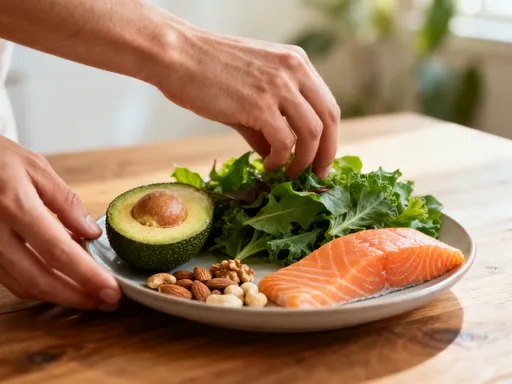
How Qigong and a Balanced Diet Transformed My Daily Energy
For years, I felt constantly drained—no matter how much I slept. Then I discovered the quiet power of qigong and its deep connection to traditional Chinese wellness. Combined with mindful eating, it didn’t just boost my energy; it reshaped my mornings, focus, and calm. This isn’t a quick fix, but a sustainable shift. If you're tired of crashing by 3 PM or relying on coffee, what if the answer isn’t more caffeine—but better flow? Let’s explore how body, breath, and food work together to fuel real vitality.
The Hidden Drain: Why Modern Life Depletes Our Qi
Many women in their 30s, 40s, and 50s report feeling exhausted despite doing everything “right”—sleeping seven to eight hours, drinking enough water, and avoiding junk food. Yet the fatigue persists. In traditional Chinese medicine (TCM), this is not simply labeled as stress or poor sleep hygiene. It is seen as a depletion of qi, the vital energy that flows through the body and sustains all physiological and mental functions. Unlike the Western concept of energy, which often focuses on caloric intake or adrenaline, qi is a holistic force that influences immunity, digestion, emotional balance, and mental clarity. When qi is low or blocked, the body struggles to maintain its natural rhythm.
Modern life, with its constant demands and digital distractions, places a heavy burden on the body’s energy reserves. Long commutes, multitasking at work, managing household responsibilities, and caring for children or aging parents all require sustained mental and physical effort. Over time, this chronic activation of the sympathetic nervous system—often called the “fight or flight” response—leads to a state of energy imbalance. The body remains in a low-grade state of stress, which disrupts the smooth flow of qi through the meridians, or energy channels. This disruption can manifest as fatigue, brain fog, irritability, digestive discomfort, and even frequent colds or sluggish recovery from illness.
Diet also plays a critical role in qi depletion. The modern Western diet, rich in processed foods, refined sugars, and chemical additives, is difficult for the digestive system to process efficiently. In TCM, the spleen and stomach are considered the primary organs responsible for transforming food into usable qi. When these organs are overburdened by cold, raw, or artificial foods, their function weakens, leading to what is known as “spleen qi deficiency.” Symptoms include bloating, loose stools, post-meal fatigue, and a constant sense of heaviness. Unlike acute illness, this type of energy drain builds slowly, making it easy to dismiss as a normal part of aging or busy life. Yet it is neither inevitable nor irreversible.
Qigong Unpacked: More Than Just Movement
Qigong is an ancient Chinese practice that combines gentle physical movements, rhythmic breathing, and focused intention to cultivate and balance qi. Unlike high-intensity workouts that deplete energy reserves, qigong works to restore them. The word “qigong” itself means “cultivating energy,” with “qi” referring to life force and “gong” meaning skill developed through practice. It is not a form of exercise in the conventional sense, but a system of self-care that aligns the body, breath, and mind. For women managing complex daily routines, qigong offers a way to recharge without adding pressure or requiring special equipment.
The movements in qigong are slow, deliberate, and often circular, designed to open the joints, release tension, and encourage the smooth flow of energy. Each motion is coordinated with the breath—inhaling during expansion, exhaling during contraction. This synchronization activates the parasympathetic nervous system, which is responsible for rest, digestion, and recovery. Over time, regular practice helps regulate heart rate, lower blood pressure, and reduce cortisol levels, the hormone associated with stress. These physiological changes create the internal conditions necessary for sustained energy and emotional stability.
One of the most accessible forms of qigong is standing meditation, also known as “zhan zhuang.” This simple practice involves standing with feet shoulder-width apart, knees slightly bent, arms rounded as if holding a ball, and attention focused on the lower abdomen, or dan tian. Though it may appear passive, this posture engages the body’s core, improves posture, and enhances awareness of breath and alignment. Many women find that just five to ten minutes of standing meditation in the morning helps them feel grounded and centered before beginning their day. Another beginner-friendly sequence is the “Eight Brocades,” a series of eight flowing movements that target different organ systems and energy pathways. These practices do not require flexibility or athletic ability—only consistency and intention.
Why Diet Can’t Be Ignored in Energy Building
In traditional Chinese medicine, food is not just fuel—it is medicine. Every bite influences the body’s internal environment and either supports or weakens qi. Unlike Western nutrition, which often emphasizes macronutrients and calorie counting, TCM focuses on the energetic properties of food: its temperature, taste, and effect on digestion. For example, cold foods like raw salads, iced drinks, and smoothies may seem healthy, but in TCM they are believed to slow down the digestive fire, or “spleen yang,” making it harder to extract energy from food. This is especially relevant for women over 30, whose metabolic and digestive functions may naturally begin to slow with age.
A diet that supports qi emphasizes warm, cooked, and easily digestible foods. Think steamed vegetables, soups, congee (a rice porridge), and lightly sautéed meals. These foods require less energy to break down, allowing the body to redirect resources toward healing, thinking, and daily activity. The cooking process itself pre-digests the food, making nutrients more accessible. Additionally, TCM recommends eating in harmony with the seasons—consuming warming foods like root vegetables and bone broths in winter, and lighter, cooling foods like cucumbers and melons in summer. This seasonal awareness helps the body adapt to environmental changes and maintain balance.
The five flavors—sweet, sour, bitter, pungent, and salty—are also considered essential in TCM. Each flavor corresponds to a different organ system and influences energy flow. For instance, moderate natural sweetness from whole grains and root vegetables supports the spleen and stomach, while excessive refined sugar damages them. Bitter foods like leafy greens help clear heat and support the heart, while pungent flavors like ginger and garlic promote circulation and dispel cold. A balanced plate includes a variety of flavors in moderation, rather than eliminating entire food groups. This approach is not about restriction, but about nourishment and harmony. When food is chosen with awareness, it becomes a daily act of self-care that builds energy from the inside out.
The Synergy: How Qigong Enhances Digestion and Nutrient Absorption
The connection between qigong and digestion may not be immediately obvious, but it is deeply rooted in the mind-body principle. Stress is one of the most significant disruptors of digestive function. When the body is under stress, blood flow is redirected away from the digestive organs and toward the muscles and brain in preparation for action. This “fight or flight” response, while useful in emergencies, becomes problematic when activated daily by work deadlines or family demands. Over time, chronic stress leads to poor digestion, reduced nutrient absorption, and symptoms like bloating, gas, and irregular bowel movements.
Qigong counteracts this pattern by activating the “rest and digest” state. Through slow breathing and mindful movement, it signals to the nervous system that the body is safe, allowing digestion to resume efficiently. This shift is not just psychological—it has measurable physiological effects. Studies on mind-body practices have shown improvements in gastric motility, enzyme secretion, and gut microbiota balance. In TCM, the spleen and stomach meridians run through the torso and are directly influenced by posture and breath. Regular qigong practice helps keep these meridians open and flowing, supporting optimal organ function.
Women who practice qigong often report noticeable improvements in their digestive health within a few weeks. They experience less bloating after meals, more consistent energy levels, and a greater sense of lightness and clarity. Some notice that they no longer feel “crash” after eating, a common sign of inefficient digestion. Others find they can tolerate foods that previously caused discomfort, simply because their digestive system is functioning more efficiently. This is not due to any drastic dietary change, but to the body’s improved ability to process what it consumes. When qi flows freely, the body becomes more resilient, adaptive, and capable of extracting maximum nourishment from food.
Building a Realistic Daily Routine: Small Steps That Stick
One of the greatest barriers to wellness is the belief that it requires major lifestyle overhauls. Many women feel they don’t have time for hour-long workouts, elaborate meal prep, or complicated routines. The beauty of qigong and mindful eating is that they can be integrated into daily life with minimal disruption. The key is not intensity, but consistency. Even ten minutes of gentle movement in the morning can set the tone for a calmer, more energized day. Pairing this with a warm, balanced breakfast creates a powerful foundation for sustained vitality.
A simple morning routine might begin with five minutes of standing meditation, followed by five minutes of the “Lifting the Sky” movement—a basic qigong exercise that involves slowly raising the arms overhead while inhaling, then lowering them while exhaling. This movement stretches the spine, opens the chest, and stimulates the flow of qi through the body. Afterward, a warm breakfast such as oatmeal with cinnamon and stewed apples, or a vegetable soup with a boiled egg, supports digestive function and provides steady energy. Avoiding cold foods and drinks in the morning helps protect the digestive fire, especially during colder months.
Throughout the day, small choices matter. Choosing a warm lunch over a cold sandwich, taking a few deep breaths before eating, or stepping outside for a short walk after a meal can all support energy balance. In the evening, a gentle qigong sequence like “Separating Heaven and Earth” can help transition from activity to rest. The goal is not perfection, but presence—showing up for oneself with kindness and attention. Over time, these small habits compound, leading to deeper energy reserves, improved focus, and greater emotional resilience. Wellness is not a destination, but a daily practice.
Common Missteps and How to Avoid Them
Despite its simplicity, some women struggle to maintain a qigong and mindful eating practice. One common misstep is overcomplicating it—thinking they need special clothing, a quiet room, or a lengthy session to benefit. In reality, qigong can be practiced anywhere: in the kitchen while waiting for water to boil, during a break at work, or even seated in a chair. The intention behind the practice matters more than the setting. Similarly, mindful eating does not require elaborate recipes or exotic ingredients. It means eating with awareness—chewing slowly, noticing flavors, and stopping when satisfied, not full.
Another pitfall is adopting extreme dietary changes in the name of wellness. Some women turn to raw food diets, juice cleanses, or prolonged fasting, believing these will “reset” their system. However, from a TCM perspective, these practices can weaken the spleen and stomach, especially in women with already low energy. Cold, raw, and liquid-only diets are considered too yin and can impair digestion over time. Instead of quick fixes, TCM emphasizes gradual, sustainable shifts that support the body’s natural rhythm. Warming the diet, eating regular meals, and avoiding overeating are more effective in the long term.
Finally, many women fall into the trap of comparing themselves to others or expecting immediate results. Energy restoration is not linear. Some days will feel better than others, and that is normal. The practice is not about achieving constant high energy, but about building resilience—the ability to recover from fatigue and stress more easily. Listening to the body’s signals—resting when tired, eating when hungry, moving when stiff—is more important than following rigid rules. True wellness comes from self-awareness, not external standards.
Long-Term Shifts: From Survival Mode to Sustainable Vitality
Over months and years, the combined practice of qigong and mindful eating leads to profound changes. Women often find they no longer rely on afternoon coffee to stay awake, sleep more soundly, and feel more present with their families. The mental fog lifts, replaced by a quiet clarity. Emotional ups and downs become less intense, as the body’s internal balance improves. These changes are not the result of a single breakthrough, but of daily choices that gradually rebuild the body’s energy reserves.
This journey is not about performance or productivity. It is about returning to a state of natural harmony, where the body functions as it was designed to. In TCM, health is not the absence of disease, but the presence of balanced qi. When energy flows freely, the body heals itself, the mind settles, and life feels more manageable. For women who have spent years in survival mode—juggling responsibilities, suppressing their needs, and pushing through fatigue—this shift can feel like coming home.
True wellness is not found in extreme diets, expensive supplements, or punishing workouts. It is found in the quiet moments: the deep breath before rising from bed, the warmth of a nourishing meal, the gentle stretch that connects body and breath. These are not small things—they are the foundation of lasting vitality. The principles of qigong and balanced eating have been refined over thousands of years and are accessible to anyone, regardless of age or fitness level. They require no special equipment, no certification, and no drastic changes. They only require a willingness to begin, and the courage to continue.