What Changed After I Stopped Fighting Menopause and Started Living With It
Menopause isn’t the end of vitality—it’s a new chapter. For years, I struggled with fatigue, mood swings, and sleepless nights, feeling like my body had betrayed me. But when I shifted from resisting to understanding, everything changed. Through small, science-backed changes in mindset, movement, and daily habits, I found more energy, clarity, and confidence than I thought possible. This is what really helped me thrive—naturally and sustainably.
The Hidden Crisis of Misunderstood Menopause
For too long, menopause has been framed as a medical malfunction rather than a natural transition. Many women grow up hearing whispers about “the change” in hushed, anxious tones—as if it were a condition to be endured, not understood. This cultural silence breeds confusion and shame, leaving women unprepared when symptoms arrive. Hot flashes, night sweats, irritability, and forgetfulness are often dismissed as personal failings or signs of decline, rather than biological signals of transformation. The reality is that menopause is a universal experience, affecting every woman who lives long enough, yet it remains one of the most under-discussed and misrepresented stages of life.
The consequences of this misunderstanding are far-reaching. Women may feel isolated, believing they are alone in their struggles. They might delay seeking help, fearing judgment or being labeled as “hormonal” in a dismissive way. In workplaces, schools, and even homes, the lack of awareness means little accommodation is made for the very real physical and emotional shifts occurring. A woman experiencing a sudden wave of heat during a meeting may feel embarrassed, when in truth, she is navigating a profound physiological shift that deserves respect and support. When society treats menopause as a deficit, women internalize that message, losing confidence in their bodies and their capabilities.
But what if we changed the narrative? What if instead of viewing menopause as a crisis, we saw it as a milestone—a natural evolution of the female body after decades of cyclical change? Reframing this life stage begins with education and empathy. It requires acknowledging that discomfort does not equal disease. Just as puberty marks the beginning of reproductive life, menopause marks its conclusion, both governed by the same intricate hormonal system. Recognizing this continuity helps dismantle the stigma. When women are equipped with accurate information, they can move from fear to agency, from silence to self-advocacy. The first step toward thriving is simply believing that you are not broken—you are changing.
Why Your Body Isn’t Broken—It’s Adapting
One of the most liberating realizations during menopause is understanding that your body is not failing—it is adapting. The symptoms many women dread—weight gain around the midsection, brain fog, disrupted sleep, mood fluctuations—are not signs of weakness or poor self-control. They are responses to significant hormonal shifts, particularly the decline in estrogen and progesterone. These hormones influence far more than reproduction; they affect metabolism, mood regulation, temperature control, bone density, and cognitive function. When their levels fluctuate and eventually stabilize at a lower baseline, the body must recalibrate its operations.
Think of it like a car shifting from fifth gear to third. The engine hasn’t stopped working; it’s simply operating under different conditions. The same vehicle that once accelerated quickly on the highway now needs to navigate city traffic with more caution and fuel efficiency. Similarly, your body is adjusting to a new hormonal environment. The fatigue you feel may not be laziness—it could be your metabolism slowing to conserve energy. The difficulty concentrating isn’t a sign of mental decline, but possibly a temporary adjustment in how your brain uses glucose and responds to hormonal signals.
This shift doesn’t mean diminished value or vitality. In fact, once women understand that their bodies are responding logically to change, they can begin to work with them instead of against them. Rather than fighting symptoms with frustration, they can respond with compassion and strategy. For example, knowing that muscle mass naturally decreases during this phase explains why strength training becomes more important, not less. Recognizing that estrogen supports serotonin production helps explain mood swings and underscores the importance of stable blood sugar and stress management. Knowledge transforms fear into focus. When women see their experiences as part of a coherent biological process, they regain a sense of control. The body isn’t broken—it’s rebalancing, and with the right support, it can do so gracefully.
Energy Reset: Rethinking Nutrition Beyond “Dieting”
In the face of weight gain and fatigue, many women turn to restrictive diets, hoping to reclaim their pre-menopausal bodies. But extreme calorie cutting or eliminating entire food groups often backfires, especially during hormonal transition. The body, already under stress from changing hormone levels, interprets severe restriction as a threat, slowing metabolism further and increasing cravings. Instead of focusing on shrinking, the goal should be stabilizing—nourishing the body with consistent, balanced fuel that supports hormonal health and sustained energy.
Protein plays a crucial role. As muscle mass begins to decline, adequate protein intake helps preserve lean tissue, supports metabolism, and promotes satiety. Including a source of protein at every meal—such as eggs, Greek yogurt, legumes, fish, or poultry—can reduce afternoon crashes and late-night snacking. Fiber is equally important. Whole grains, vegetables, fruits, and beans help regulate blood sugar, support gut health, and assist in the elimination of excess estrogen through the digestive tract. Healthy fats—like those found in avocados, nuts, seeds, and olive oil—contribute to hormone production and brain function, while also helping to keep you full between meals.
Timing matters too. Skipping breakfast or going long hours without eating can lead to blood sugar dips, triggering irritability, fatigue, and overeating later. A balanced morning meal with protein, complex carbohydrates, and healthy fat sets a steadier tone for the day. Similarly, a small, protein-rich snack in the mid-afternoon can prevent the energy slump that often leads to reaching for sugary treats. It’s not about perfection—it’s about consistency. Women who focus on regular, nutrient-dense meals report fewer hot flashes, better sleep, and improved mood. Nutrition during menopause isn’t about deprivation; it’s about giving your body the building blocks it needs to adapt with resilience.
Movement That Works With You, Not Against You
Exercise should not feel like punishment, especially during a life stage when the body is already working hard to adjust. Yet many women push themselves too hard, chasing an outdated ideal of fitness that no longer serves them. The key to sustainable movement during menopause is not intensity—it’s consistency and intention. Functional fitness—activities that support strength, balance, flexibility, and endurance—can have profound benefits without requiring hours at the gym or high-impact workouts that strain aging joints.
Strength training is particularly valuable. As estrogen levels drop, bone density begins to decrease, increasing the risk of osteoporosis. Weight-bearing exercises, such as lifting dumbbells, using resistance bands, or doing bodyweight exercises like squats and lunges, help maintain bone strength and muscle mass. Even two sessions per week can make a measurable difference. Strength training also boosts metabolism, improves posture, and enhances confidence. Women who lift weights often report feeling more capable in daily life—whether carrying groceries, gardening, or playing with grandchildren.
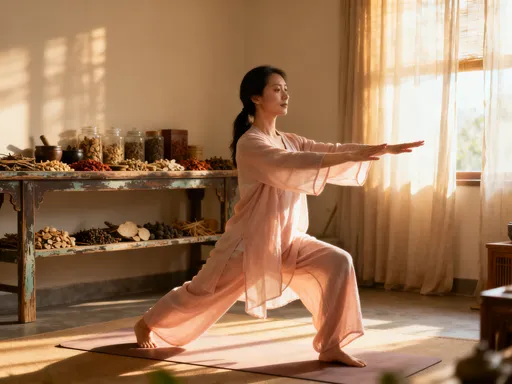
Cardiovascular activity remains important, but it doesn’t have to mean running marathons. Brisk walking, swimming, cycling, or dancing can elevate the heart rate gently while reducing stress and improving sleep. Just 20 to 30 minutes a day can lower the frequency and intensity of hot flashes and support cardiovascular health. Flexibility and balance practices like yoga or tai chi offer additional benefits, reducing tension, improving breathing, and fostering mindfulness. The goal is not to burn calories but to feel strong, mobile, and connected to your body. When movement is framed as self-care rather than punishment, it becomes something to look forward to, not dread.
Sleep, Stress, and the Mind-Body Loop
Sleep disturbances are among the most common and distressing symptoms of menopause, often intertwined with rising stress levels. Night sweats can wake a woman multiple times, but even without physical symptoms, many find their minds racing at bedtime, replaying conversations or worrying about the future. This is not simply a matter of poor habits—it’s a biological interaction between cortisol, the stress hormone, and declining estrogen. Estrogen helps regulate the production and breakdown of cortisol, so when estrogen drops, cortisol can remain elevated, especially at night, making it harder to fall and stay asleep.
The result is a vicious cycle: poor sleep increases stress, and heightened stress worsens sleep. This loop affects mood, energy, and even appetite, often leading to increased cravings for sugar and carbohydrates. Breaking the cycle requires a dual approach—managing stress during the day and creating a restful environment at night. Simple breathing techniques, such as diaphragmatic breathing or the 4-7-8 method, can activate the parasympathetic nervous system, signaling the body to relax. Taking five to ten minutes in the evening to breathe deeply can significantly reduce nighttime anxiety.
Establishing a consistent bedtime routine also helps. This might include dimming the lights, avoiding screens for at least an hour before bed, and engaging in calming activities like reading, gentle stretching, or listening to soft music. Keeping the bedroom cool and well-ventilated can reduce the impact of night sweats. Some women find relief with breathable bedding or a cooling pillow. During the day, managing stress through mindfulness, time management, or brief walks in nature can lower overall cortisol levels, making it easier to wind down at night. Sleep is not a luxury—it is a foundation of health, and protecting it is one of the most powerful things a woman can do during menopause.
Building a Support System That Gets It
Healing and adaptation are not solitary journeys. One of the most underestimated aspects of navigating menopause well is connection. Women who feel heard, validated, and supported are more likely to make positive changes and maintain them over time. Yet many suffer in silence, either because no one around them understands or because they fear being dismissed as “dramatic” or “overreacting.” Finding a community—whether in person or online—where women share similar experiences can be transformative. Talking openly about hot flashes, mood changes, or relationship shifts reduces shame and provides practical tips that only lived experience can offer.
Equally important is having access to informed healthcare providers. Not all doctors are up to date on menopause management, and some may minimize symptoms or offer only one solution, such as hormone therapy, without discussing lifestyle strategies. A supportive practitioner listens, asks questions, and works collaboratively with the patient to create a personalized plan. This might include discussing the risks and benefits of hormone therapy, reviewing lab work, or recommending referrals to nutritionists, physical therapists, or mental health professionals. Women deserve care that honors their full experience, not just a quick prescription.
Setting boundaries is another crucial part of building support. This might mean limiting time with people who make dismissive comments, saying no to social obligations when energy is low, or asking for help with household tasks. Protecting your time and emotional space is not selfish—it is necessary for well-being. When women surround themselves with understanding and respect, they are more likely to prioritize their health, experiment with new habits, and believe in their ability to thrive. Connection is not just comforting—it is therapeutic.
Thriving, Not Just Surviving: A New Definition of Wellness
Menopause is not a problem to be solved. It is a passage—one that, when approached with knowledge, compassion, and intention, can lead to a deeper, more fulfilling chapter of life. The goal is not to return to how you felt at 35, but to discover what is possible now. Many women report a surprising sense of freedom after menopause: no more periods, no more birth control, no more monthly tracking. With this comes the opportunity to redirect energy toward passions, relationships, and personal growth. Confidence often grows not despite the changes, but because of the wisdom gained through navigating them.
Thriving means more than symptom relief. It means waking up with a sense of purpose. It means feeling strong in your body, even if it looks different than it once did. It means making choices based on what feels right for you, not what society expects. It means embracing a slower pace when needed and celebrating small victories—a walk completed, a meal enjoyed, a night of restful sleep. Wellness becomes less about appearance and more about presence—showing up for your life with clarity, resilience, and self-respect.
The transformation is not instantaneous. It happens in the quiet moments: choosing a nourishing meal over a quick fix, taking five minutes to breathe before responding to a stressful email, saying yes to a walk with a friend instead of staying home. These small, consistent actions accumulate into lasting change. Menopause is not the end of vitality. It is an invitation—to listen more closely, to care more deeply, and to live more intentionally. When women stop fighting their bodies and start partnering with them, they don’t just survive this phase. They rise with it.