Salt Smart, Live Better: My Real Low-Salt Journey for Long-Term Health
Living with high blood pressure scared me—until I truly understood the power of a low-salt diet. It wasn’t just about skipping chips; it was a complete rethink of how I eat. What I discovered went beyond flavor: real energy, better sleep, and peace of mind. This is how I took control—one mindful bite at a time. For years, I thought salt was just the shaker on the table, something I could easily avoid. But the truth is, sodium hides in plain sight, shaping health outcomes in ways most of us don’t realize until a doctor’s visit changes everything. High blood pressure doesn’t come with loud alarms, but its effects are far-reaching and silent, creeping into daily life until action becomes unavoidable. This journey isn’t about deprivation. It’s about awareness, choice, and long-term well-being.
The Wake-Up Call: When High Blood Pressure Changed Everything
It started with a routine checkup. I went in for a flu shot and left with a diagnosis that shook me: stage 1 hypertension. My blood pressure reading was 145 over 92—higher than it had ever been. At first, I brushed it off. I wasn’t overweight. I walked every day. I didn’t smoke. How could I have high blood pressure? But my doctor was clear: lifestyle plays a bigger role than I realized, and one major contributor was likely my sodium intake. That conversation planted a seed of concern that grew into action. I began to examine my daily eating habits, and what I found surprised me.
I hadn’t considered myself a heavy salt user. I rarely added salt while cooking or at the table. But I ate convenience foods—frozen meals, canned soups, store-bought bread, and packaged snacks—almost every day. After a long day of managing household responsibilities and work, these were my go-to solutions. What I didn’t know was that these seemingly harmless choices were packed with sodium. According to the Centers for Disease Control and Prevention (CDC), over 70% of the sodium in the average American diet comes from processed and restaurant foods, not the salt shaker. That statistic hit home. My reliance on pre-made foods wasn’t saving me time—it was quietly compromising my health.
The emotional weight of that realization was heavy. I wasn’t just eating for taste or convenience anymore; I was making choices that could affect my future. I thought about my children, my parents, and the life I wanted to live—active, present, and healthy. I didn’t want to rely on medication if I could help it. My doctor confirmed that dietary changes, especially reducing sodium, could make a significant difference. That moment became my turning point. I decided to take ownership of what I put on my plate, not out of fear, but out of love for my long-term well-being.
Why Salt Matters: Breaking Down the Science Simply
To understand why salt affects blood pressure, it helps to think of the body like a network of pipes and pumps. Sodium plays a natural role in regulating fluid balance, nerve function, and muscle contractions. But when we consume too much, the body holds onto extra water to keep sodium levels stable. This is where the problem begins. Imagine your bloodstream as a hose, and sodium as a sponge inside it. The more salt you eat, the more water the sponge absorbs, increasing the volume of fluid flowing through your vessels. With more volume, pressure builds—just like turning up the water in a hose increases pressure behind the nozzle.
Over time, this elevated pressure strains the walls of the arteries and forces the heart to work harder. The American Heart Association explains that chronic high blood pressure damages blood vessels, increases the risk of heart disease and stroke, and can affect kidney function. The body can adapt to this stress for a while, which is why hypertension is often called the “silent killer.” You may not feel symptoms, but internal changes are happening. Research shows that reducing sodium intake can lower systolic blood pressure by 5 to 6 mm Hg in adults with hypertension, and even 2 to 3 mm Hg in those with normal levels. These numbers may seem small, but in medical terms, they are significant—equivalent to the benefits seen with some medications.
It’s also important to distinguish between natural sodium and added sodium. Foods like milk, vegetables, and unprocessed meats contain small amounts of sodium naturally, and the body uses these efficiently. The danger lies in added sodium—salt that’s put into foods during processing or preparation. The Dietary Guidelines for Americans recommend limiting sodium to less than 2,300 milligrams per day, yet the average adult consumes over 3,400 mg. That excess doesn’t just come from salty snacks; it accumulates from meals throughout the day, often without us noticing. The key is not elimination, but awareness and balance.
The Hidden Salt Trap: Where Sodium Lurks in Plain Sight
One of the biggest surprises on my journey was discovering just how many everyday foods contain high levels of sodium. I used to think bread was a neutral food—something safe and simple. But a single slice of store-bought white bread can contain 150 to 250 milligrams of sodium. Multiply that by three or four slices a day, and you’ve already consumed nearly a third of your daily limit before lunch. Then there are breakfast cereals. I once bought a “healthy” whole grain cereal, proud of my choice—only to check the label and find 360 mg of sodium per serving. Many sweetened cereals use salt to enhance flavor, even when you don’t taste it.
Sauces and condiments are another major source. A tablespoon of soy sauce can contain over 1,000 mg of sodium. Salad dressings, ketchup, barbecue sauce, and even some marinara sauces are loaded with salt. Canned soups, often marketed as quick and nutritious, can have 700 to 1,000 mg per serving. I used to rely on these for easy dinners, not realizing they were major contributors to my intake. Even seemingly healthy options like frozen vegetables can come with added salt. I learned to always check the label and choose “no salt added” versions when possible.
Another common trap is the “low-fat” or “reduced-fat” label. When fat is removed from foods, manufacturers often add extra sodium to maintain flavor. This trade-off can be misleading. A low-fat cheese might seem like a better choice, but if it has twice the sodium of the regular version, the benefit is questionable. The key is reading nutrition labels carefully. I started comparing milligrams of sodium per serving across brands and choosing the lowest option. I also learned to pay attention to serving sizes—some packages contain multiple servings, so what looks like 400 mg might actually be 800 mg if you eat the whole container. Over time, label reading became second nature, a small habit with big protective power.
Flavor Without the Salt: Retraining Your Taste Buds
When I first cut back on salt, food tasted flat. I missed the sharpness, the brightness that salt added to meals. But I was determined not to let blandness derail my progress. I began experimenting with herbs, spices, citrus, and vinegar as alternatives. At first, it felt like cooking with a new language—I wasn’t fluent yet. But within a few weeks, something shifted. My taste buds adapted. Foods I once thought flavorful now tasted overly salty. That transformation was both surprising and empowering.
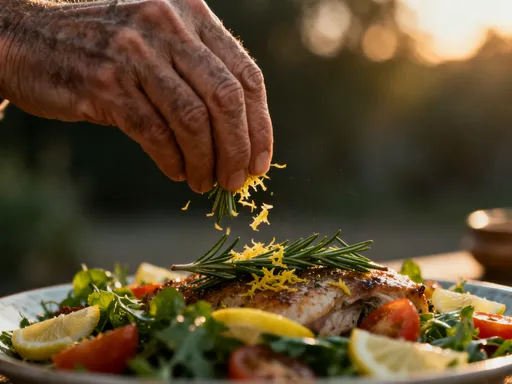
I discovered that garlic powder, onion powder, and smoked paprika could add depth without sodium. Fresh herbs like basil, cilantro, and thyme brought aroma and freshness. A squeeze of lemon or lime juice brightened dishes naturally. Apple cider vinegar and balsamic glaze added tang and complexity. I started using small amounts of umami-rich ingredients—like sun-dried tomatoes, mushrooms, and nutritional yeast—to create satisfying flavors. These ingredients don’t just replace salt; they enhance the natural taste of food, making meals more enjoyable in a different way.
One of my favorite discoveries was homemade spice blends. I mixed cumin, coriander, turmeric, and a pinch of black pepper to make a no-salt seasoning for roasted vegetables and grains. Another blend with dried oregano, rosemary, and lemon zest became my go-to for chicken and fish. These mixes were easy to store and use, and they made cooking more creative. I also learned to layer flavors—sautéing onions and garlic as a base, adding herbs during cooking, and finishing with a splash of citrus or vinegar. This approach turned meals into experiences, not just fuel. Eating well no longer felt like sacrifice. It felt like discovery.
Building a Low-Salt Kitchen: Simple Swaps and Smart Prep
Changing my cooking habits was essential to sustaining a low-sodium lifestyle. I started by cleaning out my pantry and replacing high-sodium items with better alternatives. Canned soups were swapped for low-sodium versions or replaced entirely with homemade broth. I began buying fresh or frozen vegetables without added sauces or salt. Canned beans, which I used often, were replaced with low-sodium varieties or dried beans that I cooked in bulk. I discovered that cooking dried beans in a slow cooker or pressure cooker was simple and cost-effective, and I could season them myself without salt.
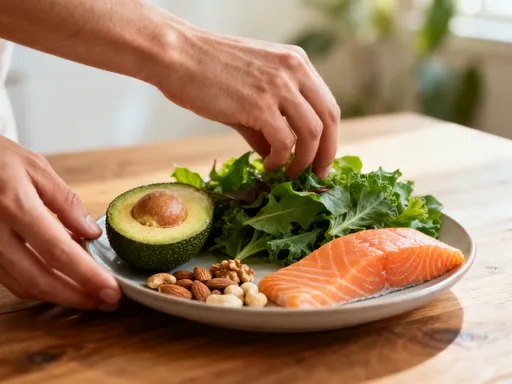
Meal prep became a weekly ritual. On Sundays, I roasted a tray of mixed vegetables, cooked a pot of brown rice or quinoa, and grilled a few chicken breasts or baked fish. These components could be mixed and matched throughout the week into salads, bowls, and wraps. Having healthy, ready-to-eat options reduced my temptation to reach for processed convenience foods. I also started making my own salad dressings using olive oil, lemon juice, Dijon mustard, and herbs. Not only were these lower in sodium, but they tasted fresher and more vibrant than store-bought versions.
I kept my low-sodium pantry stocked with key ingredients: canned tomatoes without added salt, low-sodium broth, whole grains, legumes, nuts, seeds, and a variety of spices. I avoided pre-made seasoning blends that contained salt, opting instead for pure herbs and spices. I also began reading labels on everything—even plant-based milk and protein bars, which can be surprisingly high in sodium. Over time, I developed a rhythm. Cooking wasn’t more time-consuming; it was more intentional. And the result was meals that supported my health without sacrificing satisfaction.
Eating Out Without Regret: How to Stay on Track
One of my biggest concerns was how to maintain my new habits when eating out. Social meals are important, and I didn’t want to feel isolated or deprived. I learned that with a few smart strategies, I could enjoy restaurant food without undoing my progress. The first step was communication. I began asking how dishes were prepared and requesting modifications. Most restaurants are willing to accommodate requests like “no added salt” or “dressing on the side.” I also learned to choose grilled, baked, or steamed options over fried or sautéed dishes, which often contain hidden sodium in sauces and seasonings.
I started avoiding buffet-style meals, where it’s easy to lose track of ingredients and portion sizes. Instead, I focused on simpler menus—grilled fish with steamed vegetables, salads with oil and vinegar, or vegetable stir-fries made without soy sauce. I skipped the breadbasket, knowing that even a few slices could add hundreds of milligrams of sodium. When ordering pizza, I chose thin crust with vegetables and asked for light or no cheese, since cheese is another source of sodium. I also limited my intake of condiments like ketchup, mustard, and ranch, which can add up quickly.
I won’t pretend I never slipped up. There were times when I ate something salty and felt bloated the next day. But I learned not to view these moments as failures. They were reminders, not setbacks. The goal wasn’t perfection—it was consistency. I found that by making mostly healthy choices, I could still enjoy occasional treats without guilt. Balance, not restriction, became my guiding principle. And over time, I noticed that my preferences changed. I began to enjoy the natural taste of food more, and overly seasoned dishes started to taste unpleasant. That shift was a quiet victory.
Long-Term Gains: More Than Just Blood Pressure
After six months of following a low-sodium diet, I returned to my doctor for a checkup. My blood pressure had dropped to 128 over 82—well within the normal range. I hadn’t lost weight, but I felt lighter, more energetic, and less bloated. I no longer experienced the afternoon sluggishness that used to make it hard to stay focused. My sleep improved, and I woke up feeling refreshed. These benefits went beyond numbers on a chart. They translated into daily life—more patience with my family, more stamina for chores and errands, and a greater sense of control over my health.
What started as a response to a medical concern evolved into a lifestyle I now embrace fully. I no longer see low-sodium eating as a diet, but as a form of self-care. It’s a way of honoring my body and investing in my future. The changes I made weren’t extreme or difficult to maintain. They were small, consistent choices—reading labels, cooking at home, using herbs instead of salt—that added up over time. I’ve come to understand that wellness isn’t about quick fixes. It’s about building habits that support long-term vitality.
For anyone facing a similar wake-up call, I offer this: start where you are. You don’t have to overhaul everything at once. Begin with one change—read labels, cook one extra meal at home, try a new herb. Let your taste buds adapt. Let your body respond. Progress isn’t measured in perfection, but in persistence. A low-sodium lifestyle isn’t about missing out. It’s about gaining clarity, energy, and peace of mind. It’s about making choices today that allow you to live fully tomorrow. And that’s a promise worth keeping—to yourself, and to the life you want to lead.